
From major infrastructure projects in the Camargue to legislative developments in France and Europe, a number of recent decisions have raised concerns about the priority given to environmental issues in policies. For the Tour du Valat, these debates highlight the importance of fully taking into account the services provided by wetlands, as well as available scientific knowledge, before any decision that could have long-lasting impacts on these ecosystems.
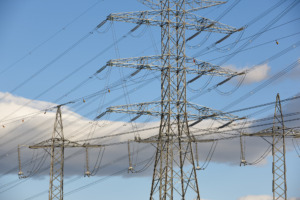
In the Camargue, the proposed extra-high-voltage aerial power line between Fos-sur-Mer and the Gard reached a new milestone on 13 May, when the Ministry of Energy initiated the procedure to examine its declaration of public utility. In response, fifteen nature conservation and civil society organisations, including the Tour du Valat, have issued a formal appeal to the government, reminding authorities that the Camargue cannot be sacrificed in the name of energy sovereignty.
| A public consultation is open from 15 June to 15 July regarding the proposed Fos–Jonquières extra-high-voltage aerial power line. This stage enables town planning documents to be adapted to the project. Anyone can take part and have their say: your contribution matters! More information >> |
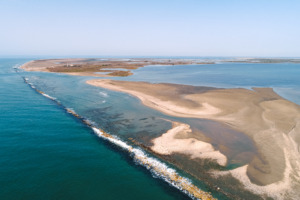
Other projects, like the Arles highway bypass or the Barcarin Bridge, could also have direct impacts on the Camargue. Yet this territory hosts natural areas recognised at international level.
An analysis of the cumulative effects of these projects highlights significant risks in terms of land artificialisation, damage to sensitive ecological areas, and pressure on water resources.
Beyond environmental impacts, democratic concerns are also emerging. Several recommendations from the public debate organised by the National Commission for Public Debate (CNDP) have largely been ignored, and calls to explore alternative solutions with less impact have fallen on deaf ears. This situation echoes the Arles highway bypass project: despite the reservations and the investigating commissioner’s unfavourable opinion on several aspects of the proposal, the project developer appears determined to move forward.
These local accelerations reflect a broader trend in which biodiversity considerations struggle to find their place in the face of economic and production imperatives.
At national level, the draft Emergency Law on Agricultural Protection and Sovereignty is a case in point. Certain provisions, notably Article 7, which directly affect wetlands, are causing serious concern. The Tour du Valat, alongside other organisations, is closely monitoring the debates and is taking action. More informations (in french) >>
This law reflects a persistent view of wetlands as constraints on agricultural production. Yet their role is now well documented: they contribute to the resilience of water resources, mitigate the impacts of extreme weather events and store carbon.
At European level, signals are equally mixed. Following a previous term marked by the ambitions of the Green Deal, several key pieces of legislation could be reviewed as part of the ‘environmental omnibus’, notably the Water Framework Directive, as well as the Habitats and Birds Directives.
In Brussels, too, discussions regarding restrictions on the use of lead in hunting ammunition and fishing tackle are a major issue for waterbirds and wetlands. The Tour du Valat, which has long worked on lead poisoning and lead shot hunting in the Camargue, is closely following these discussions and contributing to advocacy efforts in support of its ban, with its partners like Wetlands International and Birdlife.
In a shifting political landscape, one conviction remains: wetlands cannot continue to be treated as mere variables to be adjusted. Faced with climate challenges, biodiversity loss and growing pressures on water resources, they are, on the contrary, an essential part of the solution.