We are familiar with spectacular epidemics, such as those linked to highly pathogenic avian influenza, which struck our region during the winter of 2026. When birds die in large numbers, the impact is visible and immediately measurable. But in nature, most infections go unnoticed. They do not cause mass mortality or obvious symptoms. What’s more, dead birds often serve as food and quickly disappear from the landscape. Yet these infections can affect the growth, physical condition or reproductive success of animals — with potential long-term consequences for populations.
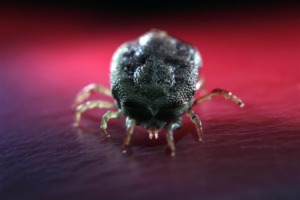
Quantifying these impacts represents a major scientific challenge in understanding the dynamics of wild populations. This is demonstrated by a recent study conducted by the Tour du Valat and its partners on the yellow-legged gull (Larus michahellis). The researchers focused on a blood parasite that they had recently described with their colleagues from the National Veterinary School of Nantes: Babesia sp. YLG, transmitted by a tick vector (Ornithodoros (Alectorobius) maritimus) found in nests.
Monitoring the infection to measure its effects
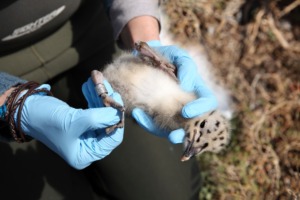
The main challenge? Assessing the effects of a parasite that does not make the bird visibly ill. As conventional blood smear analyses are not always sufficient to detect subtle infections, the team developed a high-precision tool: a qPCR assay. This molecular technique makes it possible to detect minute traces of the parasite in the blood and measure the amount of pathogen present in each individual.
For three years, the scientists monitored two colonies of gulls to observe how the parasite circulated and what its real effects were on the birds’ lives.
An infection with varying impacts depending on age
The results highlight the different effects of the parasite depending on the stage of life of the individual:
• Chicks are more exposed than adults: The parasite is omnipresent in young birds. It is transmitted from the nest via ticks. It has been observed that the more a nest is infested with ticks, the more likely the chick is to be infected with Babesia. Infection peaks at around 37 days of age and then decreases as the young bird’s immune system strengthens.
• Impact on growth: Scientists have observed a significant slowdown in growth in infected chicks, greater than that associated with the direct impact of ticks. However, in seabirds, growth rate often determines the chances of survival.
• Repercussions on parents: Infection is rarer in adults but seems to weaken their physical condition. A striking observation: chicks are less likely to fledge successfully when one of their parents is carrying the parasite. It is as if, when faced with infection, adults prioritise their own survival at the expense of investing in their young.
• Once the chicks have fledged, their infectious status or that of their parents no longer affects their survival or movements.
Challenges for conservation
Taken individually, these impacts may seem modest. While Babesia sp. YLG does not decimate colonies, it acts as an additional stress factor. In a world where seabirds are already facing food scarcity and climate change, these infections can influence long-term population dynamics.
This study therefore highlights the importance of also focusing on the most inconspicuous pathogens.
Future research should now focus on the long-term consequences of this infection on population and community dynamics, and examine its impacts on the evolution of these populations in a rapidly changing world.
Publication reference
Buysse M., Ollagnier M., Souc C., Bruley M., Blanchon T., Leray C., Vittecoq M., McCoy K.D. 2025. Spatiotemporal Dynamics of Blood Parasite Infections and Impacts on Avian Health and Reproduction. Molecular Ecology n/a:e70178. doi: 10.1111/mec.70178 [1]
Contact
Marion Vittecoq [2] | Research Director – Coordinator of Health Ecology and Species Conservation Themes