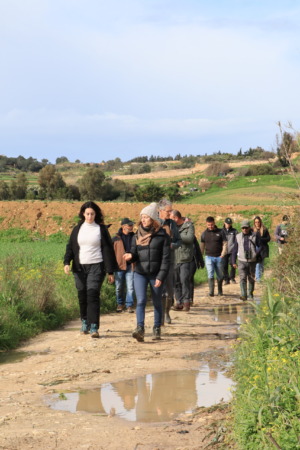
Confronted by the climate emergency and accelerating biodiversity loss, Europe has embarked on a historic initiative with a new Nature Restoration Regulation Law. By September 2026, each Member State will be required to submit a National Nature Restoration Plan. Last January, Patrick Grillas, associate researcher at the Tour du Valat Institute, travelled to Malta to support local stakeholders in preparing for this major challenge. For this small archipelago with one of the highest population densities in Europe, the stakes are strategic: how can wetlands be restored where water resources are scarce and human pressure is constant?
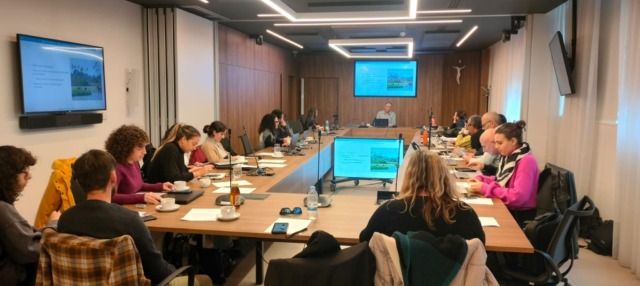
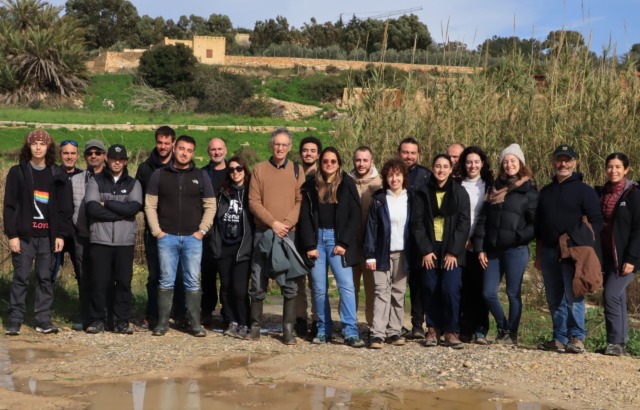
To respond to this decisive turning point, BirdLife Malta organized a four-day training with the support of the Society for Ecological Restoration Europe (SER-Europe) [1] and facilitated by Patrick Grillas, former program director at Tour du Valat. The training aimed to strengthen national restoration capacity among key government agencies — including the Environmental Resources Authority and the Energy and Water Agency — as well as non-governmental organizations such as Nature Trust, Majjistral Park, and Friends of the Earth.
The sessions, held from 19–22 January 2026, focused on building shared understanding, developing technical capacity, and promoting cross-sector collaboration.
From International Standards to the Maltese Context
The application of SER’s International Principles and Standards for the Practice of Ecological Restoration [2] formed the backbone of the program. The first day was dedicated to an in-depth theoretical session, illustrated with examples of restoration projects carried out in different parts of the world. The following days alternated between technical discussions and field-based learning.
Participants visited several sites across the archipelago, including the island of Comino, to assess their restoration potential, local constraints, and long-term management challenges.
At the heart of the discussions was the need to plan realistic actions, define measurable indicators, and design projects aligned with European requirements — while taking into account Malta’s specific ecological and socio-economic context.
Restoration as a Driver of Collaboration
Subject to significant ecological pressures — high population density, tourism, land artificialization, and water scarcity — Malta must now accelerate its restoration efforts. While the needs are considerable, there is also great potential for action.
The development of the National Nature Restoration Plan, led by the Environmental Resources Authority, offers a unique opportunity to address habitat degradation. However, technical solutions alone are not sufficient. During the training, participants emphasized the importance of working within a common framework grounded in international best practice and ensuring long-term stakeholder engagement — including public authorities, civil society, landowners, farmers, and fishers.
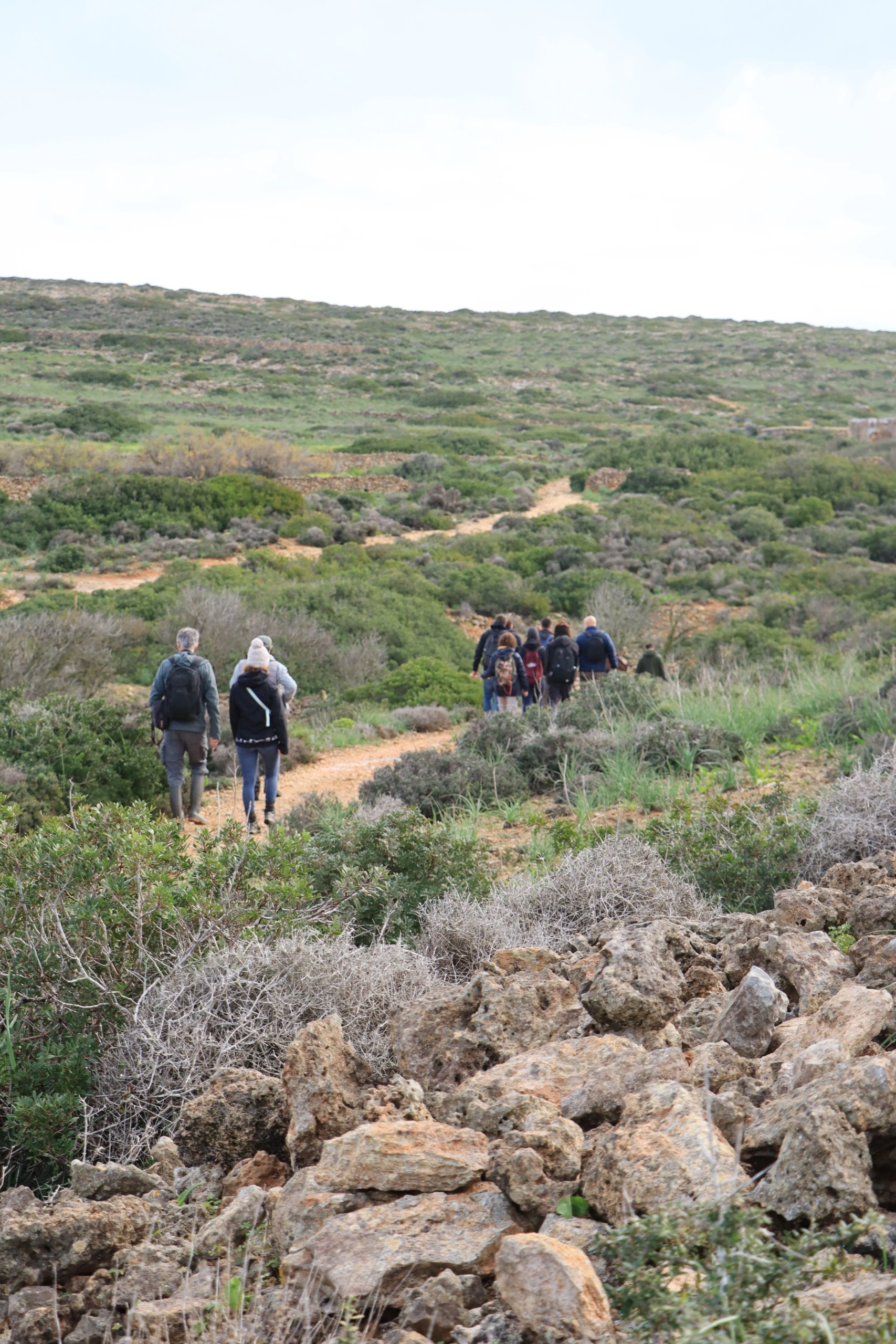
« The success of restoration depends on a fundamental principle: stakeholder engagement. Nature is not restored against people, but with them » – Patrick Grillas
Building Long-Term Capacity
Participant feedback confirmed the value of the training in strengthening technical expertise and fostering new connections among restoration stakeholders in Malta. By drawing on the SER Standards, the workshop helped establish a shared language and common approach to restoration, supporting both the development and implementation of the national plan.
SER-Europe intends to continue building this momentum for standards-based ecological restoration across the region. In the context of implementing the Nature Restoration Regulation Law, continued collaboration and capacity building will remain essential to achieving concrete, measurable outcomes for ecosystems.
The training was organized by BirdLife Malta [3], hosted by the Environmental Resources Authority [4], supported by the Tour du Valat Institute, and funded by the Oak Foundation [5] and BirdLife International [6].